For years, photovoltaic thermal (PVT) technology has promised unparalleled efficiency in generating both electricity and heat from the same footprint as PV. Yet, PVT adoption in the United States and other markets has remained limited for two main reasons: installation complexity and and lack of “tools to calculate” the return on investment.
Even as PVT technology improved, installers have viewed it as difficult to deploy, expensive to commission, and dependent on proprietary components that complicated projects from design through maintenance. As a result, the technology struggled to move beyond niche residential applications.
The question was never whether PVT could work; it was whether it could be installed simply, reliably, and at scale.
The answer is now changing.

How PVT Installation Became a Barrier to Market Adoption
Traditional PVT systems introduced a level of installation complexity unfamiliar to many solar contractors. Unlike standard PV systems, PVT systems require both electrical and fluid engineering. Installers need to make plumbing connections in addition to mounting panels and completing electrical connections. This added labor and specialization created friction throughout the installation process.
In a typical PVT application, installers have to size and source numerous separate components themselves, including pumps, valves, sensors, control systems, fittings, and hardware. This custom approach requires field expertise and engineering knowledge which makes it difficult to scale to widespread adoption. Commissioning often involves lengthy manual filling, purging, and testing procedures that could take hours to complete correctly. Proprietary racking systems and non-standard panel dimensions further complicate deployment by forcing installers to learn entirely new mounting methods.
As a result, many installers simply avoid PVT altogether.
Engineering PVT for Installers, Not Just Engineers
Tyll Solar approached the problem differently from the start.
Rather than asking installers to adapt to complicated thermal systems, Tyll engineered its Hybrid Solar PVT platform as a true turn-key solution designed around installation simplicity. The company focused on removing the pain points that historically made installers reluctant to work with PVT technology in the first place.
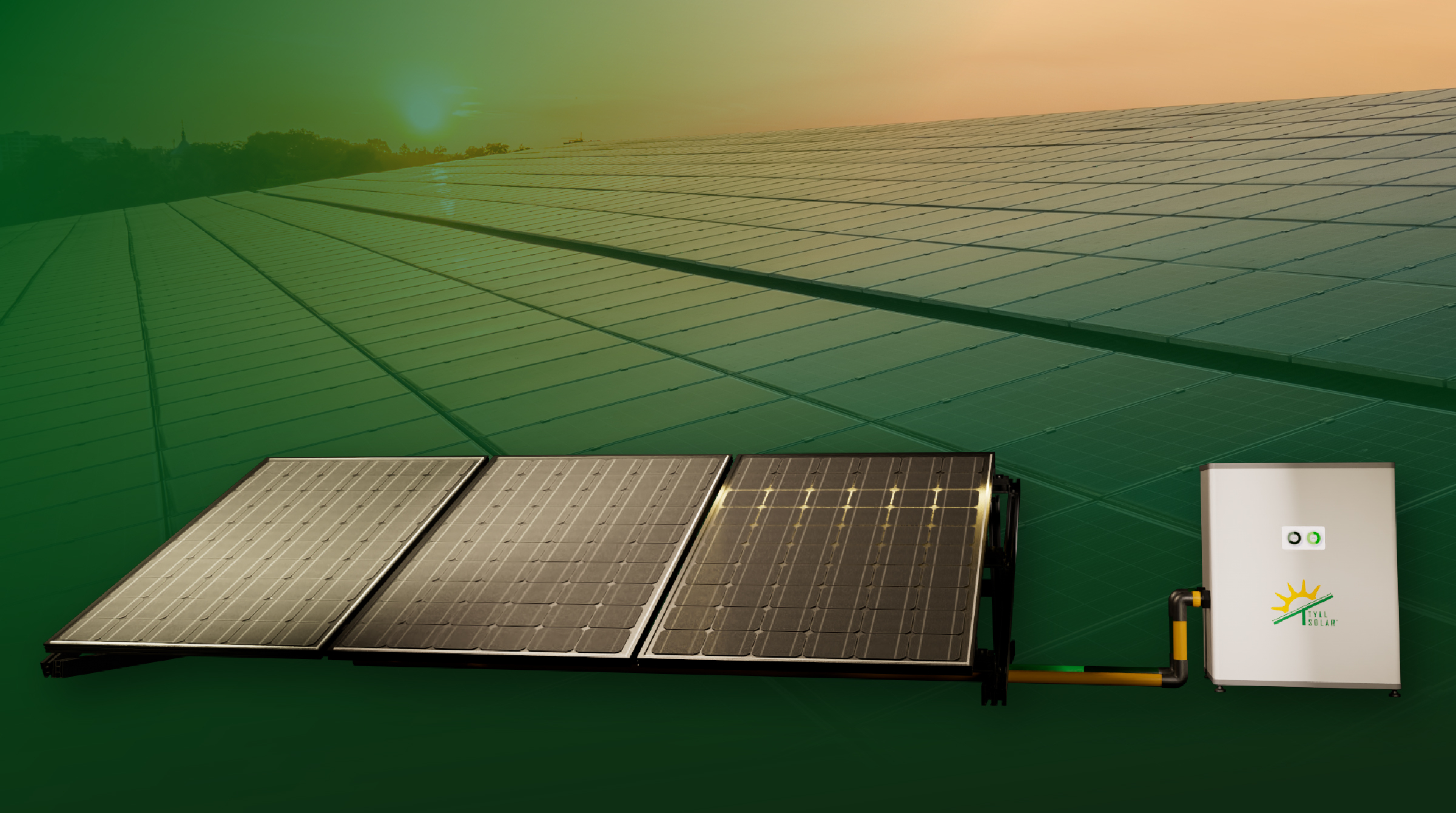
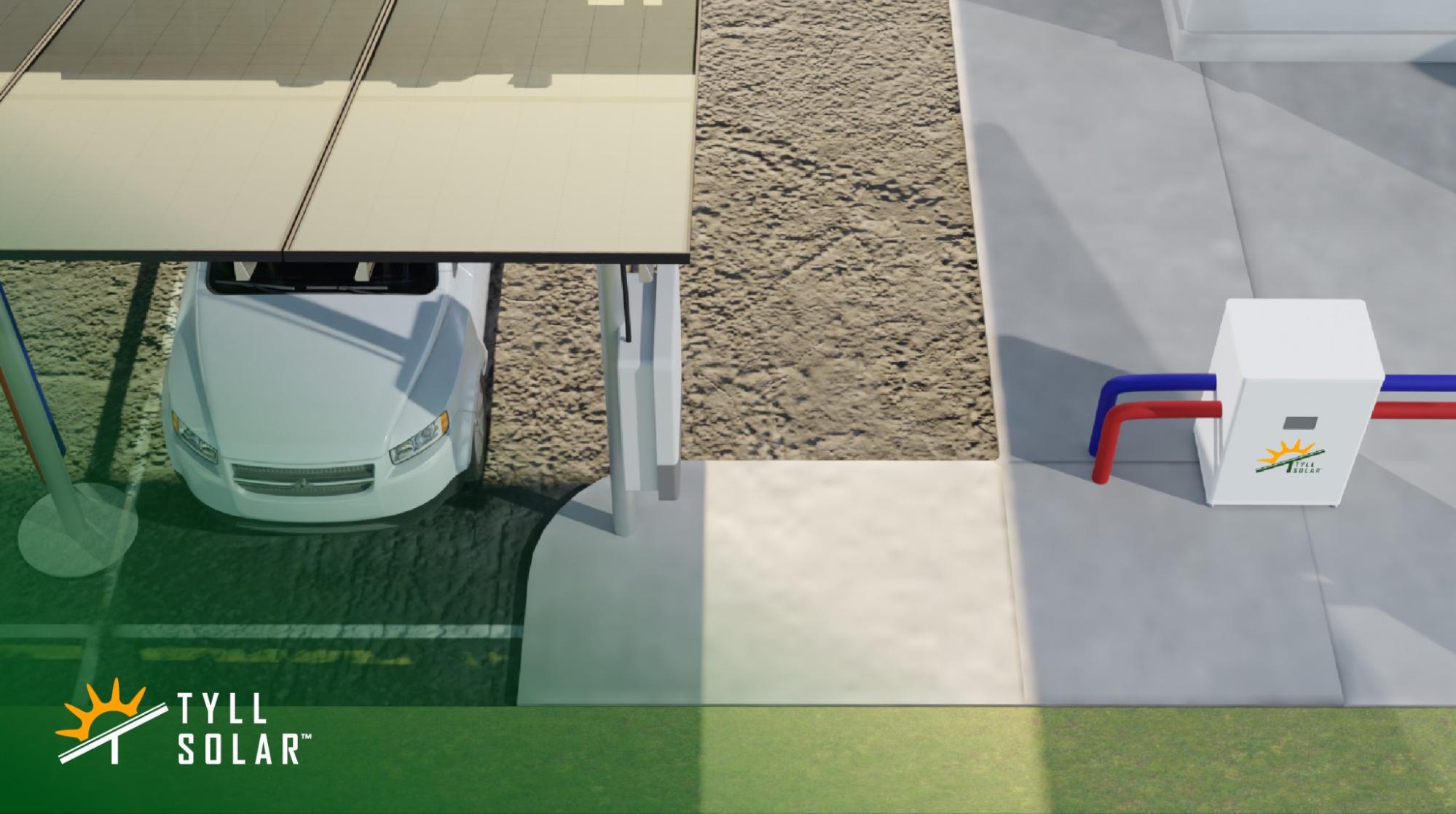
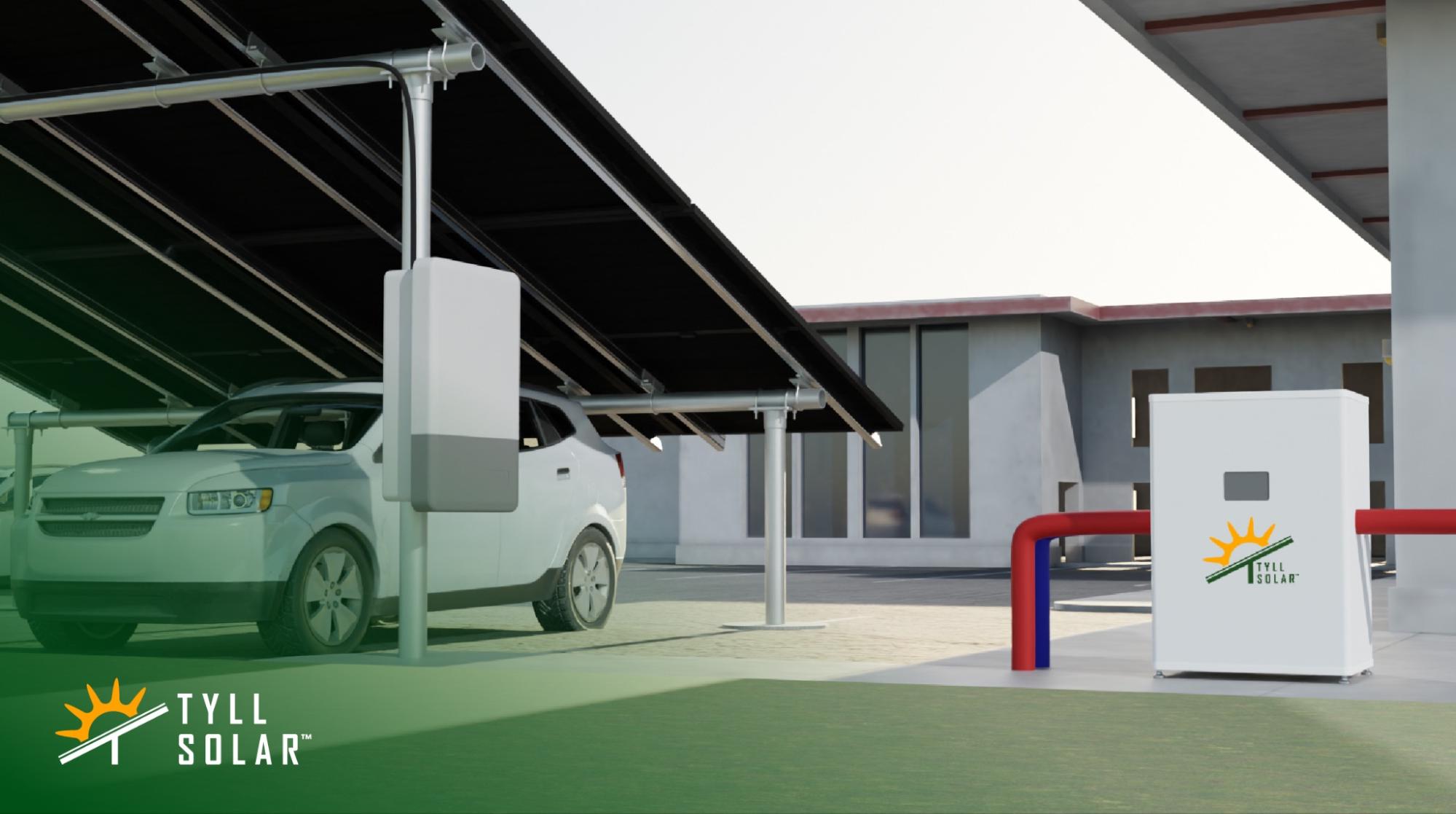
At the center of that approach is the Tyll SmartBox™, an intelligent automated pump station that consolidates critical thermal system functions into a single integrated unit.
The SmartBox™ automates several of the most difficult and time-consuming commissioning tasks associated with traditional PVT systems, including:
- Filling
- Air purging
- System testing
- PVT-optimized controls
Instead of requiring installers to manually configure and troubleshoot multiple thermal components, the SmartBox™ dramatically reduces both installation effort and the level of specialized expertise required with turnkey commissioning.
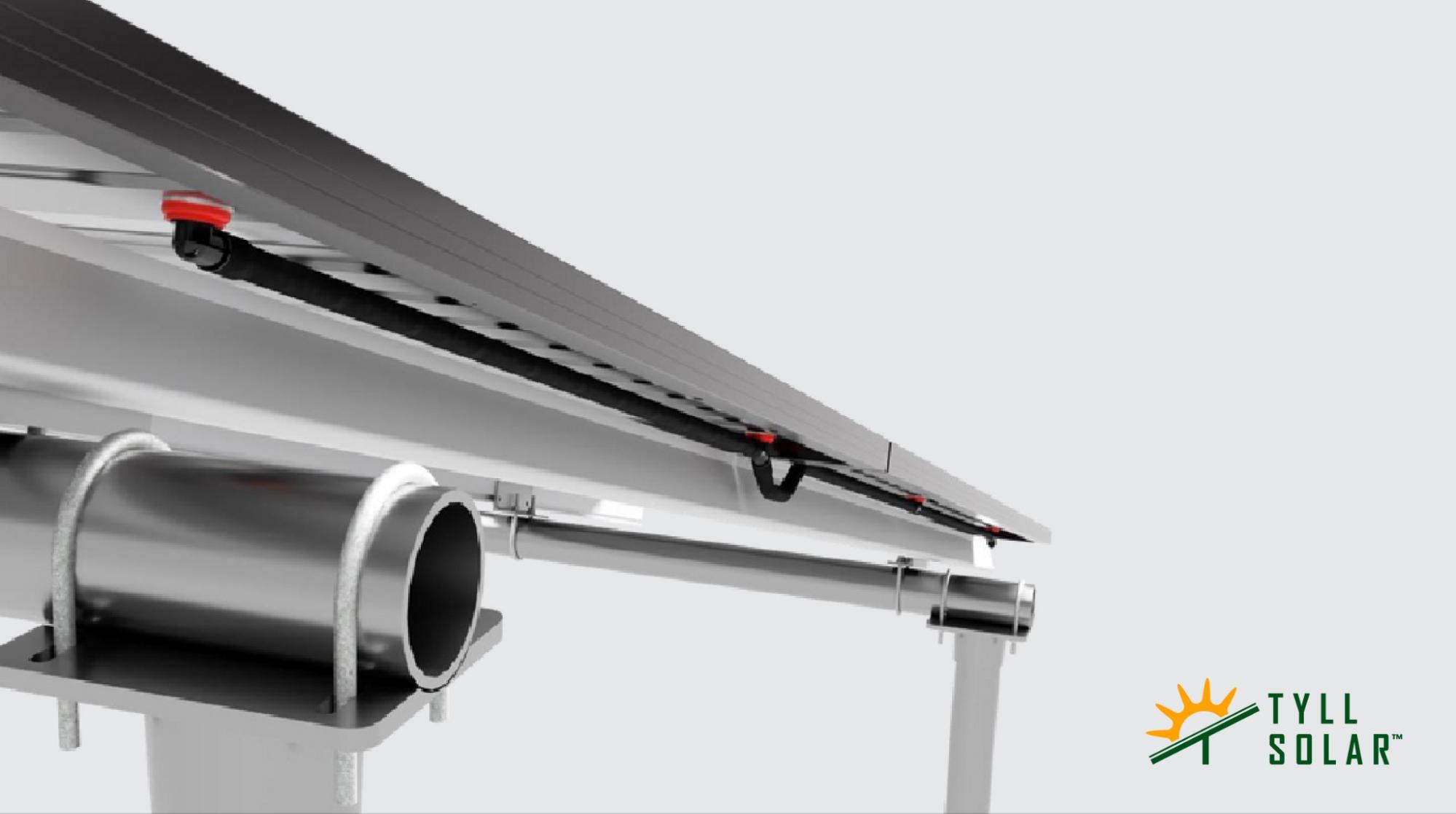
The system also incorporates plug-and-play fluid connections using premade hose kits and quick-connect fittings that simplify plumbing integration and reduce installation time.
What was once described across the industry as a “nightmare of installation” becomes a far more streamlined process.
Installation That Looks and Feels Like Standard PV
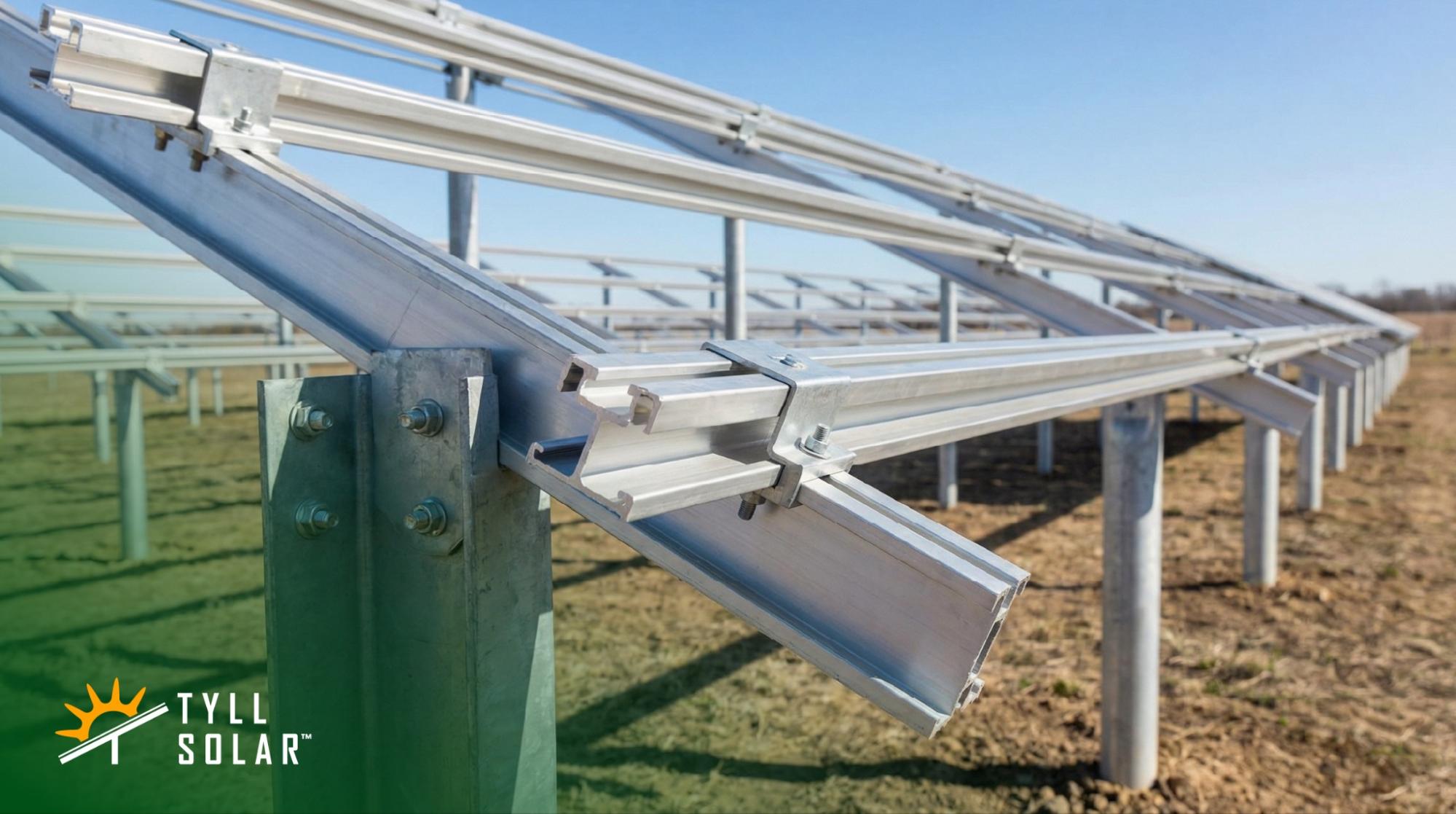
One of the biggest barriers to PVT adoption has been the need for proprietary mounting hardware and specialized installation practices. Tyll Solar eliminated that obstacle by designing its panels to work with industry-standard solar infrastructure.
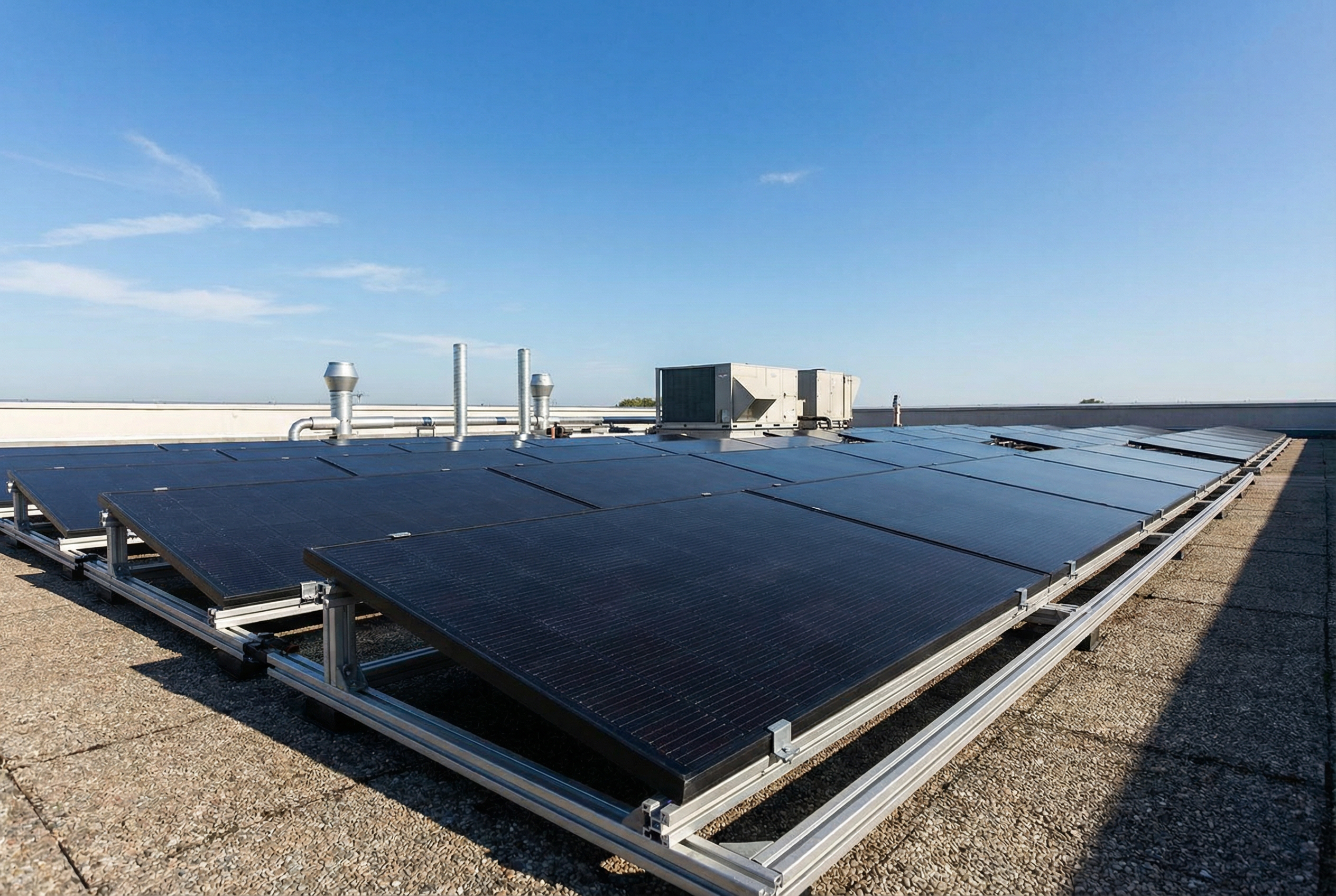
Tyll’s PVT panels are compatible with conventional racking systems designed for standard 35mm frames. Installers can mount Tyll panels much like they would traditional PV modules, without learning entirely new racking systems or redesigning projects around proprietary hardware.
This matters because installer familiarity drives adoption. The closer PVT installation resembles conventional solar installation, the easier it becomes for contractors to incorporate the technology into existing workflows.
Designed for Scalability
Historically, PVT has often been viewed as practical only for small residential systems, but Tyll Solar’s modular system architecture changes that equation.
Tyll’s Hybrid PVT system can scale to a wide range of installation sizes because the system itself is modular. Whether serving residential, commercial, or larger-scale applications, when using the system, the number of panels can expand according to project needs, with the number of pump stations scaling up accordingly to cover the increased amount of cooling fluid.
This flexibility opens the door for broader adoption across applications with both electrical generation and thermal energy.
PVT Adoption Enters Its Next Phase
The solar industry has already proven the value of simplifying installation. Technologies that reduce labor, minimize specialized training requirements, and integrate with standard workflows consistently achieve broader adoption.
PVT is now reaching that same turning point.
By addressing the installation complexity that has historically limited the technology, Tyll Solar is helping shift PVT from a specialized niche into a more practical, installer-friendly solution.
The promise of PVT has always been compelling: generate significantly more usable energy from the same rooftop footprint. Today, the installation process is finally catching up to that promise.